Understanding Jueteng: A Deep Dive into the Illegal Numbers Game
Jueteng is a prevalent yet illicit numbers game in the Philippines, deeply embedded in the cultural and social fabric of the nation. Despite its illegal status, it continues to thrive across various regions, particularly in the provinces. With origins tracing back to the Spanish colonial period, Jueteng has evolved into a significant socio-economic activity, influencing politics, governance, and the daily lives of many Filipinos.
The Basic Mechanics of Jueteng
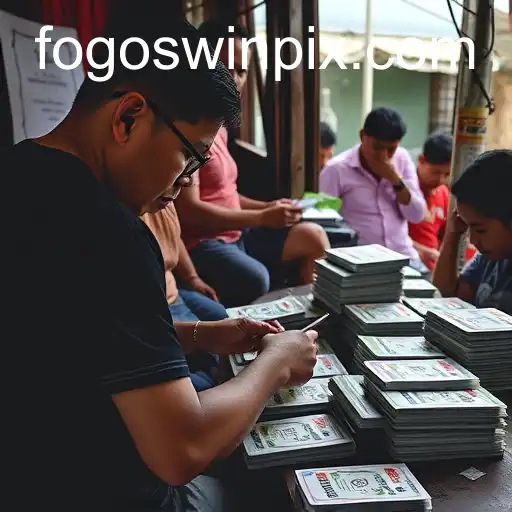
The game is relatively simple in nature. Participants bet on a combination of numbers, usually ranging from 1 to 37, and winners are determined through a random draw. The allure of Jueteng lies in the low entry cost and the promise of substantial returns, making it attractive to a wide demographic, especially in economically challenged communities.
The Role of 'Fogoswin' in Jueteng
The term 'fogoswin' has emerged in betting circles, potentially linked to strategies or insider tips for increasing the odds of winning in Jueteng. While the exact origins and implications of 'fogoswin' remain speculative, it highlights the complex layers of information exchange and the adaptive nature of Jueteng practices. This reflects the game's deeply ingrained position in local culture, where innovation and adaptation are key to its survival despite crackdowns.
Economic Impact and Social Dynamics
Jueteng's economic impact is multifaceted. Operating outside the legal gambling frameworks, it bypasses regulatory measures, resulting in substantial untaxed revenue. Although illegal, the game sustains livelihoods for numerous individuals, from bet collectors to coordinators, injecting liquidity into impoverished areas.
The persistence of Jueteng also underscores the gaps in legitimate job opportunities, pushing many towards this underground economy. Furthermore, the game's profits are often funneled into other local businesses and community projects, highlighting its paradoxical role as both a vice and an informal economic engine.
Political Entanglements and Corruption
Jueteng's influence extends into the political arena, where it weaves a web of corruption and complicity. Local officials and law enforcers are often implicated, with allegations suggesting that bribes or 'protection money' are exchanged for turning a blind eye. This corruption creates a cycle that perpetuates Jueteng operations, where political and personal interests outweigh legal enforcement.
The game has also been used as a political tool, with accusations of Jueteng funds being redirected to support electoral campaigns. This not only undermines democratic processes but also entrenches power structures resistant to reform.
Challenges in Enforcement
Efforts to eradicate Jueteng have faced significant challenges. Law enforcement crackdowns are sporadic and often ineffectual, largely due to the game's widespread popularity and the systemic corruption that shields it. Moreover, the highly decentralized nature of Jueteng operations complicates regulatory efforts, as shutting down one operation often results in its migration rather than cessation.
Programs aimed at educating the public on the risks of gambling addiction and promoting alternative livelihoods have seen limited success, given the deeply rooted appeal of Jueteng as a source of quick financial relief.
Cultural Significance and Public Perception
Despite its illicit status, Jueteng holds a peculiar place in Filipino culture. It is often seen as a benign, albeit illegal, pastime that is intertwined with communal life. Social gatherings surrounding Jueteng draws foster a sense of community, with relationships and social bonds often strengthened through participation.
Public perception of Jueteng is complex, balancing acknowledgment of its illegality with an understanding of its role as a form of social and economic sustenance. This duality reflects broader societal attitudes towards informal economies in the face of systemic inadequacies.
The Road Ahead
Attempts to formalize and regulate traditional betting practices through legalized counterparts like the state-sanctioned Small Town Lottery (STL) have yet to fully displace Jueteng. While these initiatives aim to undercut illegal operations by channeling gambling into taxable and regulated formats, Jueteng's entrenched networks and cultural resonance persist.
The future of Jueteng relies on a nuanced approach that addresses its root causes—including poverty, unemployment, and social inequalities—while providing equitable and sustainable alternatives. Only by bridging these systemic gaps can meaningful change be effected, offering a path forward that integrates rather than excludes the needs and realities of the affected communities.